





Florence can be overwhelming. The queues at the Uffizi, the crowds in Piazza del Duomo, and the sheer concentration of extraordinary sights all competing for your attention can make the city feel intense at times. Even though it is one of the greatest cities in Italy, sometimes the best thing you can do with an afternoon in Florence may giving a chance to other areas and immerse yourself in its green.
Thirty minutes south by coach, the city disappears entirely. The roads narrow, the hills begin to roll, and suddenly you are in the landscape that Tuscany has been trading on for centuries. The one with the cypress alleys, the stone farmhouses, the vineyards climbing the ridges in long geometric rows…
This is Chianti, and an afternoon here is one of the most quietly restorative things you can do in central Italy.
What Chianti actually is: a geography, a grape, and specifications
Chianti is not a single wine. It is a region. It is a large, hilly territory between Florence and Siena that has been producing wine since at least the medieval period. The name on the bottle can mean several different things depending on which part of that region the grapes came from.
The most prestigious designation is Chianti Classico, which covers the original historic heartland between Greve in Chianti, Castellina, Radda, and Gaiole, The area that was already producing and exporting wine in the 13th century, centuries before the broader Chianti DOC was established. Chianti Classico received its own DOCG status in 1984, separating it legally from the wider Chianti appellation and establishing quality standards that govern everything from grape variety to ageing requirements.
The grape at the centre of it all is Sangiovese, the same variety that appears as Prugnolo Gentile in Montepulciano and Brunello in Montalcino. Sangiovese is one of the most widely planted red grape varieties in Italy, but it is in this particular stretch of Tuscan hillside, at elevations between 250 and 600 metres. Moreover, a good Chianti Classico must contain a minimum of 80% Sangiovese.
On the other hand, The Gran Selezione tier which is introduced in 2014 as the region’s highest classification, requires 100% estate fruit, a minimum of 30 months ageing, and selection from the producer’s finest vineyards.
These are wines that can age for decades and that represent one of the strongest arguments for Italian wine’s place in the very top tier of world viticulture.

Inside the winery: what a real Chianti cellar looks like
The tour Half-Day Escape to Chianti visits two authentic wineries in the heart of the Chianti Classico zone. This distinction matters. The Chianti Classico region is unusual in that it is still largely in the hands of independent producers rather than large industrial operations. Family estates that have been farming the same land for generations, making decisions about harvesting and winemaking based on accumulated knowledge rather than algorithmic efficiency.
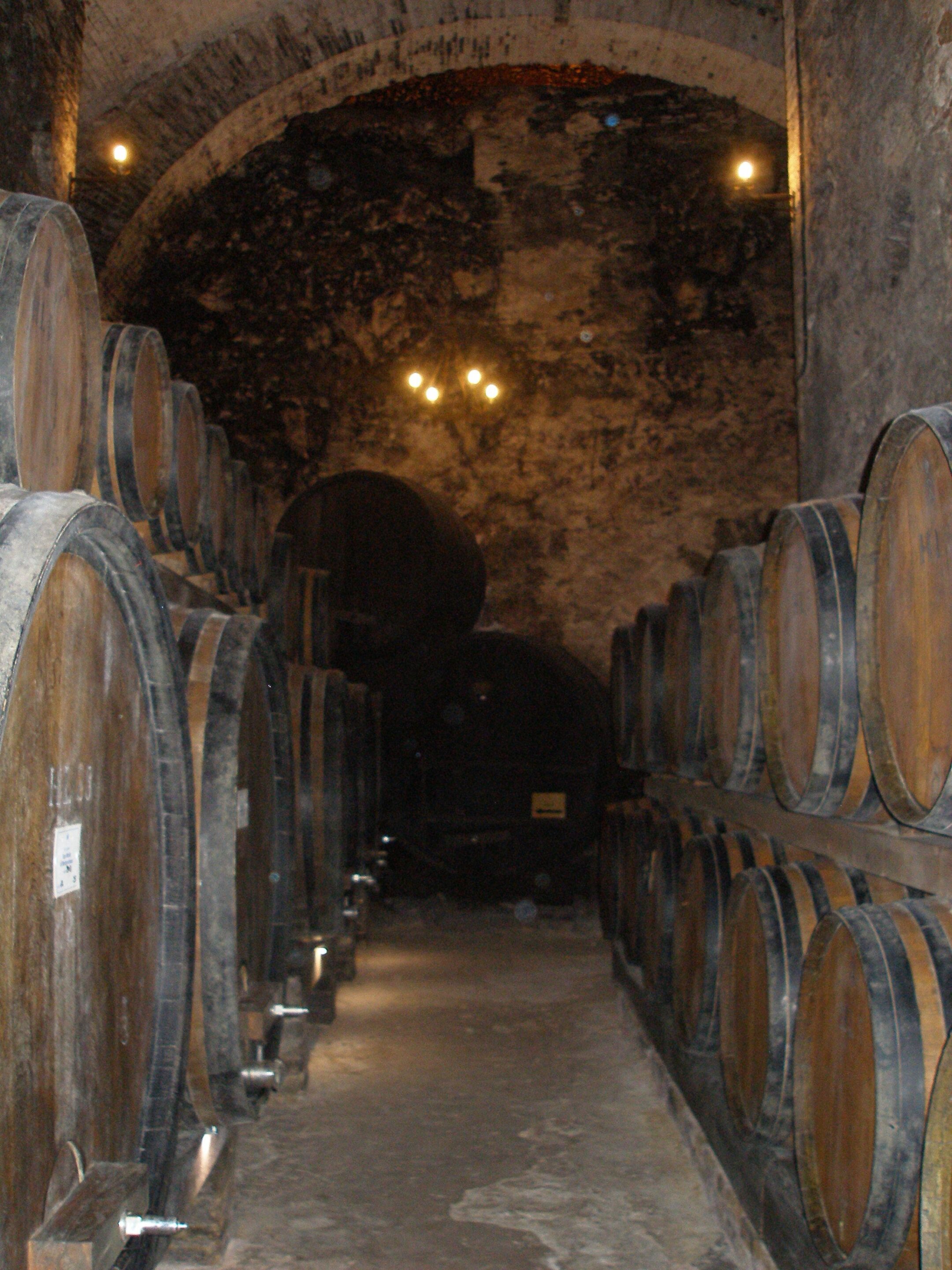
Inside a working Chianti winery, the cellar tells you most of what you need to know. The large oak barrels used for traditional ageing give way in many estates to smaller French barriques, reflecting the tension between tradition and the influence of international taste that Chianti Classico producers have been navigating for the past four decades. Some producers use both. The smell of a functioning cellar is one of those sensory experiences that no description quite prepares you for.

The honest case for half a day over none
Six hours. Two wineries, different Chianti DOCG wines and a medieval fortress village, and 30 kilometres of one of the most beautiful landscapes in Europe.
Our tour departs at 8 a.m and 2:45 p.m. in selected days, which means you have the half day for Florence and you lose nothing from either experience.
For anyone who has always meant to see the Chianti countryside and kept putting it off for another museum, this is the tour that changes that.


