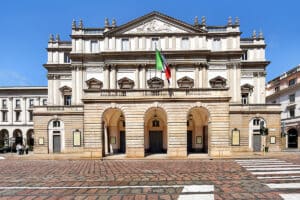


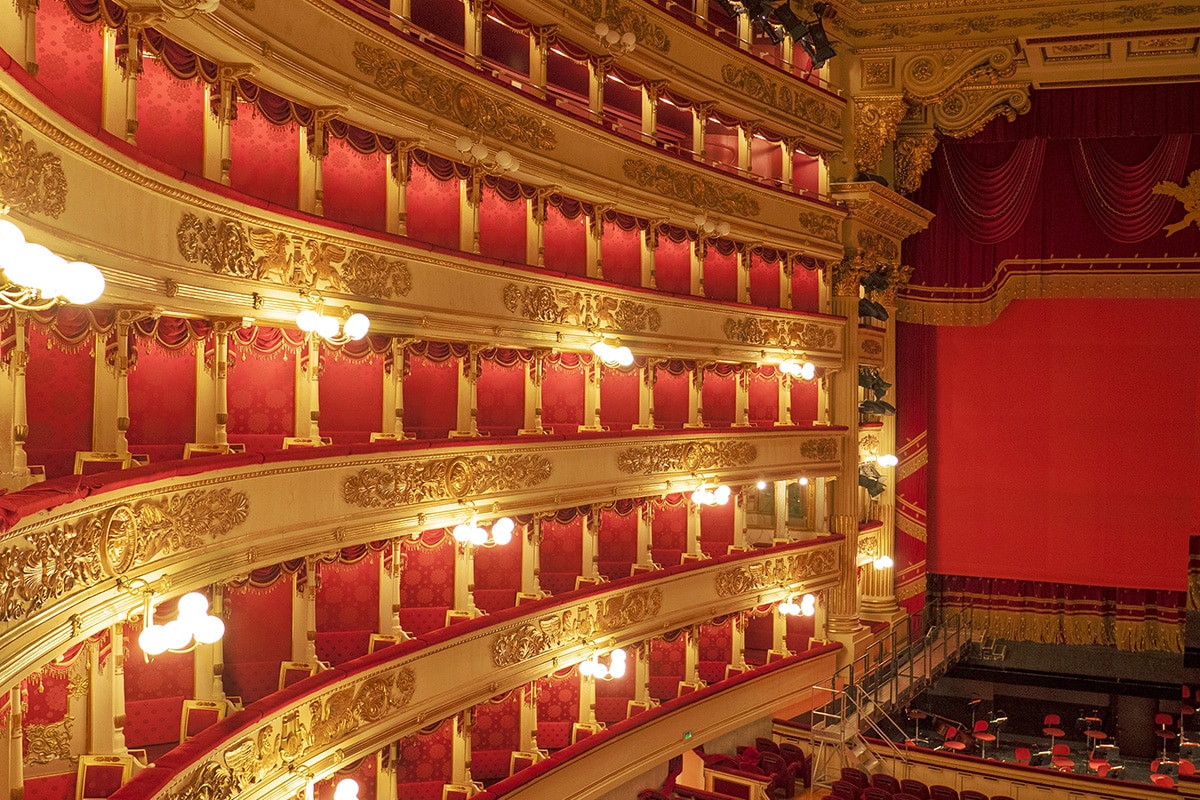
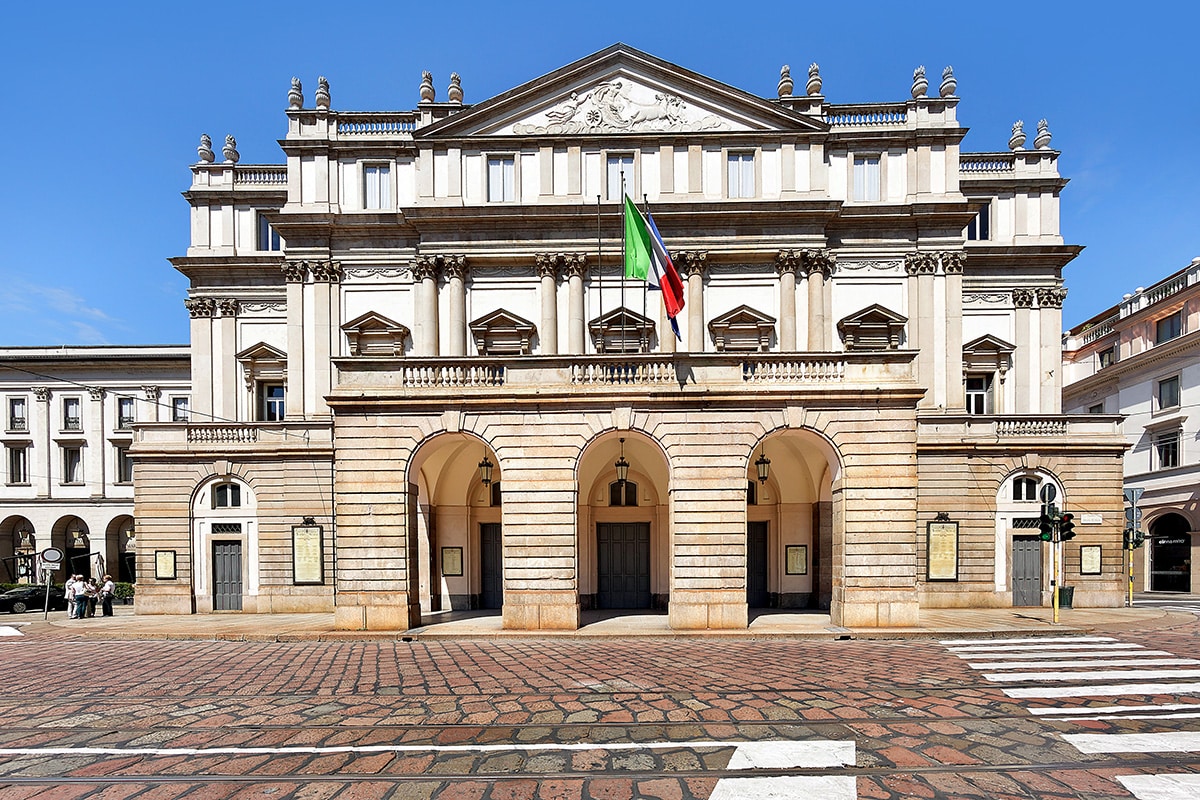
From the outside, La Scala looks almost modest. There are no grand columns or sweeping steps, just a neat neoclassical front on a quiet Milan square. Step inside, though, and you find one of the most important opera houses in the world, where some of the greatest works in music were first performed. Here is what makes Teatro alla Scala special, and how to see it.
A theatre born from fire
La Scala opened on 3 August 1778, built to replace an earlier royal theatre that had burned down two years before. The architect Giuseppe Piermarini designed it in a clean neoclassical style. The name comes from the church of Santa Maria alla Scala, which once stood on the same spot. The first performance was an opera by Antonio Salieri, and from that night the theatre became the beating heart of Italian opera.
The stage where opera history was made
Few buildings have shaped music the way La Scala has. Giuseppe Verdi’s Nabucco premiered here in 1842, and its chorus “Va, pensiero” became an unofficial anthem for Italy. Giacomo Puccini’s Madama Butterfly opened here in 1904, booed on its first night before becoming one of the most performed operas in the world. Maria Callas and the conductor Arturo Toscanini are part of the story too. After bombing damaged the hall in 1943, it was rebuilt and reopened in 1946 with a concert Toscanini conducted.
How to visit Museum of La Scala Theatre
You do not need a performance ticket to step inside. A few things to know:
- The Museo Teatrale alla Scala is open daily, with costumes, instruments, and portraits from centuries of opera.
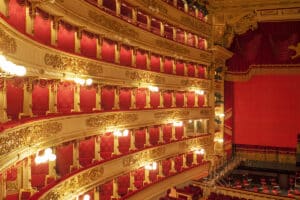
- When no rehearsal is on, your museum ticket lets you look into the red and gold auditorium from a box.
- The opera season runs from December to July, opening each year on 7 December, the feast of Milan’s patron Saint Ambrose.
Should you wish to visit the Theatre with a local guide, our Skip-the-Line La Scala Theatre Museum Guided Tour is a perfect tour for you!
Seeing La Scala on a Milan walking tour
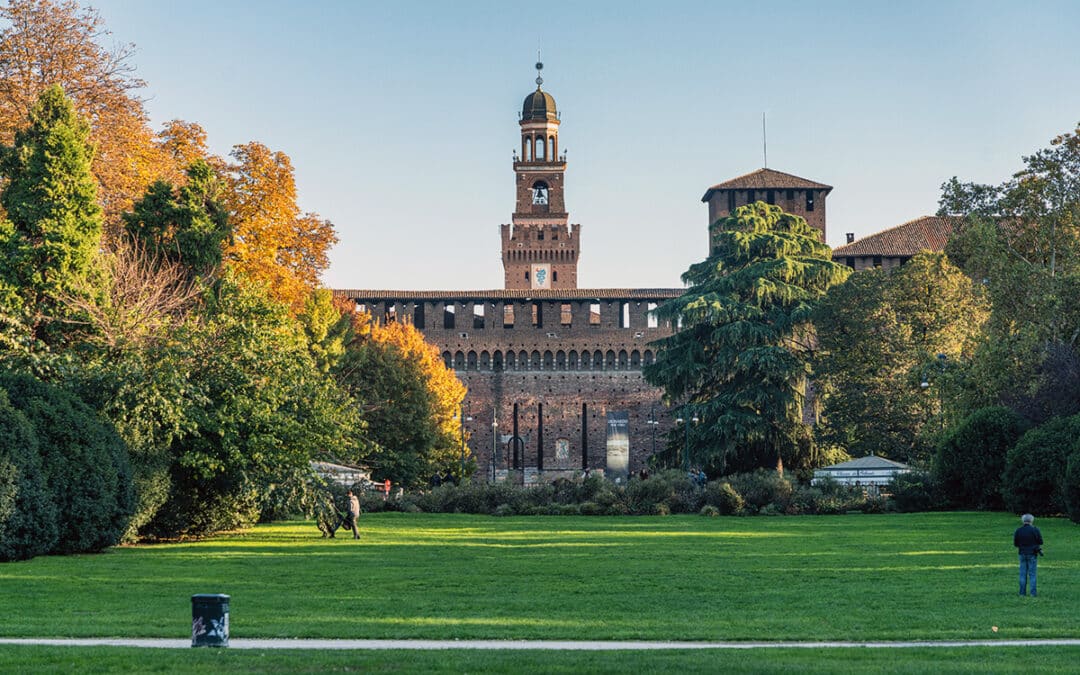
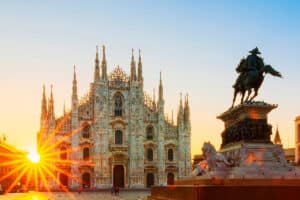
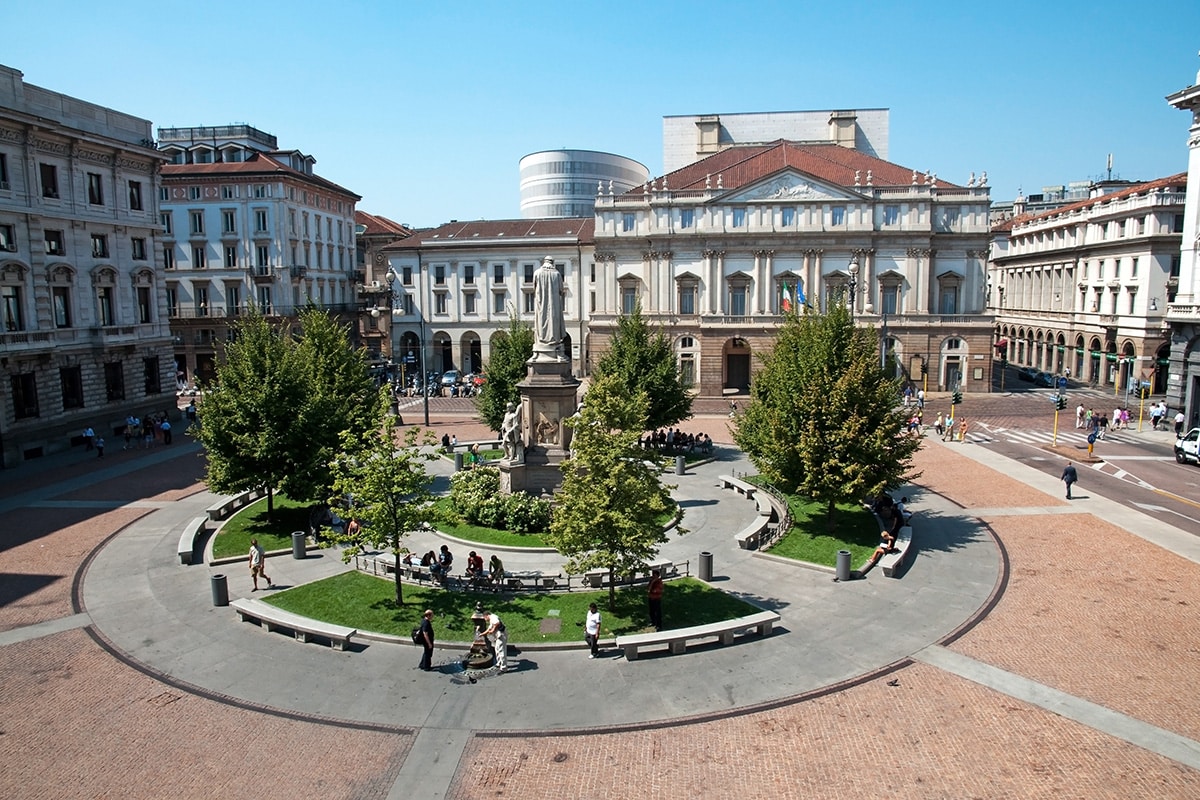
La Scala sits right between the Duomo and Sforza Castle, so it fits easily into a wider walk through the city. Our Best of Milan and Last Supper tour passes through La Scala’s square with a licensed local guide, alongside Leonardo da Vinci’s Last Supper, the Galleria Vittorio Emanuele II, and the Duomo. It is a relaxed way to take in the city’s landmarks and hear the stories behind them, without planning the route yourself.
Can you go inside La Scala without seeing a performance?
Yes. The Museo Teatrale alla Scala is open to visitors, and when no rehearsal is taking place, your ticket also lets you look into the auditorium from a box.
What is La Scala famous for?
It is one of the world’s leading opera houses and the site of famous premieres by Verdi and Puccini. Singers such as Maria Callas and conductors like Toscanini are closely tied to its history.
When is the La Scala opera season?
The season runs from December to July, opening on 7 December, the feast of Saint Ambrose. The theatre is traditionally closed in August. Check the official website for the current programme.
How do I get La Scala tickets?
Performance tickets are sold through the official Teatro alla Scala website. Many seats go to subscribers first, so single tickets can sell out quickly. Museum tickets are easier to get.
Is La Scala worth visiting?
For music lovers, absolutely. Even a museum visit lets you step inside one of the most storied theatres in the world.