





Discover everything you need to know about the Amalfi Coast before you go, plus why a day trip from Rome can be the easiest and most rewarding way to visit.
There are places in Italy that show up in your social media feed so often you almost start to think they are overrated. Probably the Amalfi Coast is not one of those places. The moment your boat rounds the first headland and you see those pastel houses stacked improbably on cliffs that drop straight into the turquoise sea below, that’s when you understand why painters, poets, and emperors have been obsessed with this stretch of coastline for centuries.
But let’s back up… because there’s more to the Amalfi Coast than beautiful photos, and knowing a few things before you visit makes the whole experience so much richer.
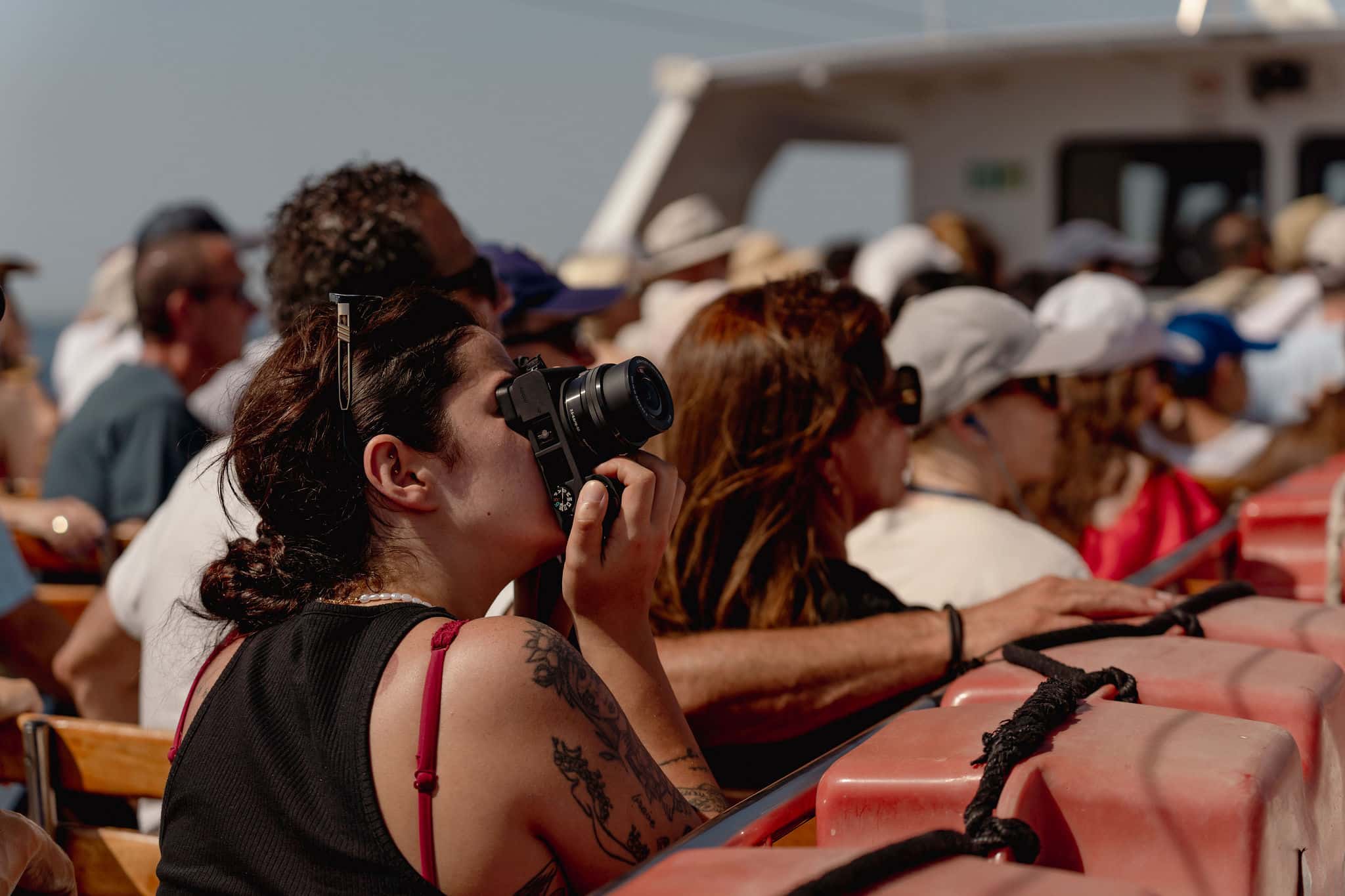

Amalfi: A coastline with a history as dramatic as its scenery
The town of Amalfi isn’t just a postcard backdrop but it was once one of the most powerful maritime republics in the world. In the 9th and 10th centuries, Amalfi’s merchants sailed as far as Constantinople and North Africa, and the city rivaled Pisa, Genoa, and Venice for dominance of Mediterranean trade. The Tavole Amalfitane, a set of maritime laws drawn up here, were used as the legal standard for seafarers across the entire Mediterranean for nearly 600 years.

What happened?
A combination of rival city states, a catastrophic earthquake, and a massive storm in 1343 that literally swallowed a large part of the city into the sea. Today, the elegant Cathedral of Sant’Andrea stands as a quiet testament to all that former glory and it’s absolutely worth wandering inside.
Amalfi with numbers:
- 50 km of UNESCO-protected coastline between Positano and Vietri
- 9th centuries when Amalfi rose as a global maritime powerhouse
- 600 years the Amalfi maritime laws governed Mediterranean seafarers
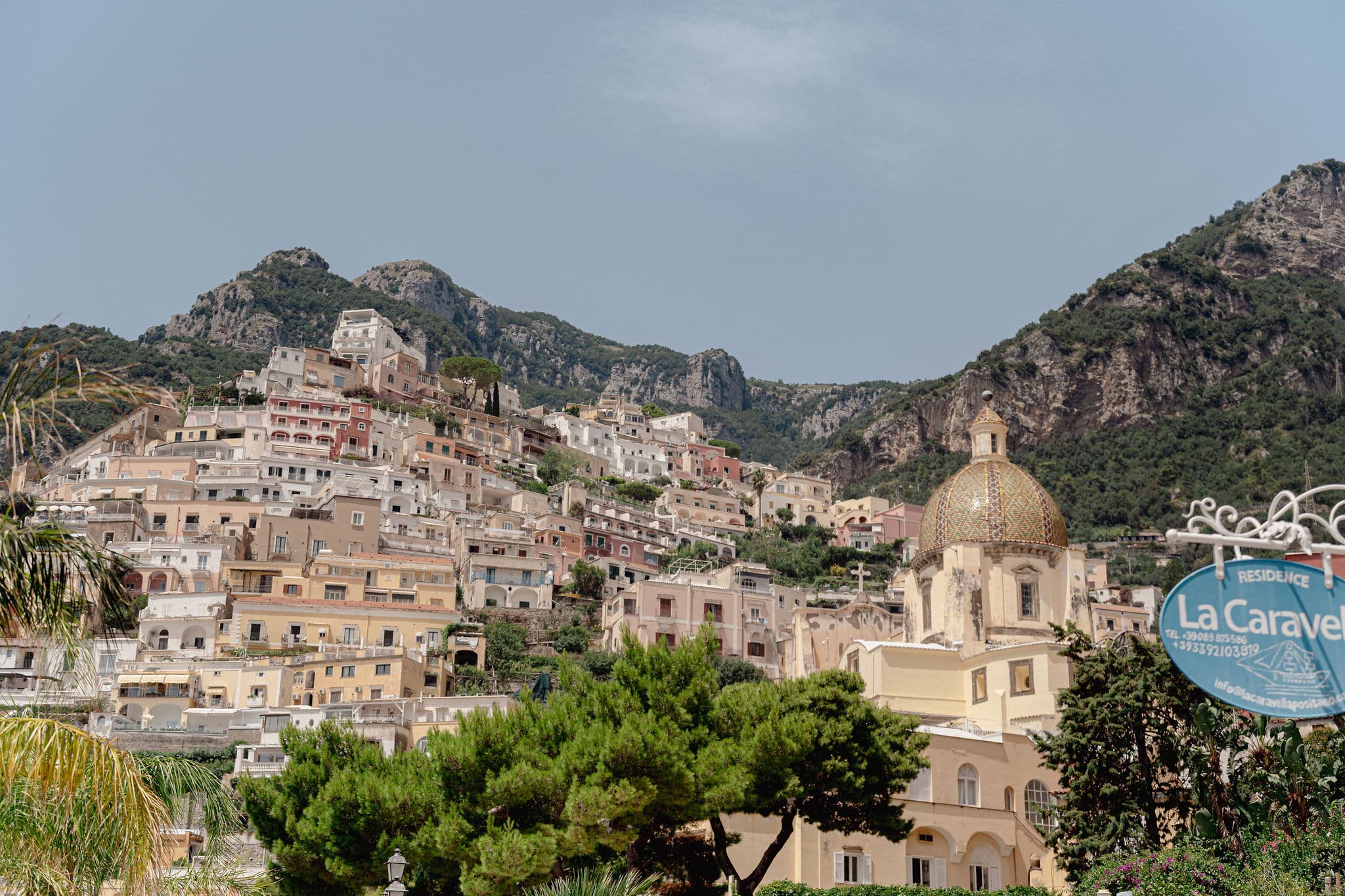

Positano: the village that normally shouldn’t have existed
If Amalfi is history, Positano can be considered as pure romance. The village tumbles down almost vertical cliff in a cascade of terracotta rooftops, bougainvillea, and boutiques selling linen shirts in every color imaginable. John Steinbeck wrote about it in 1953, saying it was “a dream place that isn’t quite real when you are there and becomes beckoningly real after you have gone.”
Nearly 70 years later, that description still holds.
“Positano bites deep. It is a dream place that isn’t quite real when you are there and becomes beckoningly real after you have gone.” John Steinbeck, 1953
The narrow streets wind down to a small beach where fishing boats still pull up alongside day-trippers. There are no cars here — or rather, there’s essentially one road, and walking is just how life works. Give yourself time to get genuinely lost. The side alleys have a way of delivering unexpected views just when you think you’ve seen everything.
A few things that might surprise you about Amalfi

The lemons are not normal lemons. The sfusato amalfitano (which is the local variety grown on terraced hillside) can grow to the size of a small melon and has a fragrant peel that locals use for everything from limoncello to pasta sauce. You’ll see them sold along the road, bundled into nets like oversized yellow balloons.
The traffic is genuinely chaotic. The SS163 (or more explonatorily the coastal road of Amalfi) is a single lane marvel of engineering that clings to the cliff face, and in summer it becomes one of the most congested roads in southern Italy. Buses, motorcycles, delivery vans, and tourist coaches all negotiate it simultaneously. This is one of the most compelling reasons to arrive by boat.
The best views are from the sea. The coast was built to be seen from the water. From a boat, you get the full panorama from the villages rising up the hillsides, the sea caves to the color grading of the water from deep blue to impossible green as it shallows near the shore. On land, you’re inside the picture. On a boat, you can finally see the whole thing.


One last thing about Amalfi
The Amalfi Coast is the kind of place that makes you feel slightly guilty if you rush through it. And honestly, a day trip done well with the right route, the right transport, and time left actually free to wander is completely worth it. Believe us what you will see will stay with you… and that’s sort of the point.


