





There is a particular quality of afternoon that only exists in the Italian countryside. The light is different. It is lower, warmer, more golden than it has any right to be at 4pm. The pace is different. The noise of the city has gone. You are sitting at a table outside a stone farmhouse that has been standing since the 14th century, and someone is pouring you a glass of wine made from grapes grown on the hill you can see from where you are sitting. You are not rushing anywhere. There is nothing to queue for.
This is what a wine tour in Italy actually is, and it is one of the most underrated ways to spend time in this country.

It is not just about the wine
The wine is excellent, that much is given. Though anyone who books a wine tour and thinks they are signing up purely for a drinking experience is missing most of what the afternoon contains.
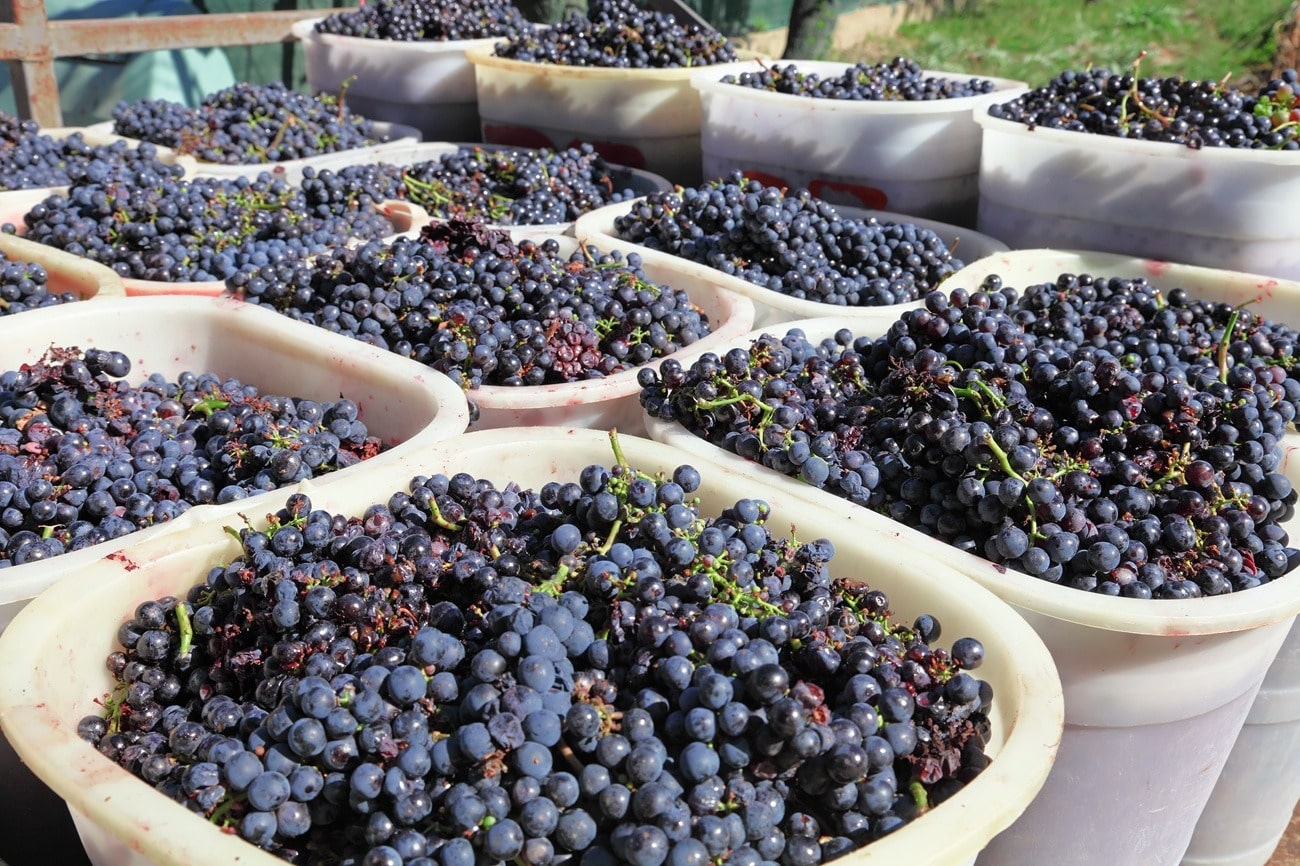
Wine in Italy is a landscape. The terraced vineyards of Valpolicella climbing the limestone hills above Verona, the Sangiovese vines stretching across the Chianti Classico ridges between Florence and Siena, the Prugnolo Gentile on the slopes below Montepulciano… these are not merely agricultural features. They are the physical expression of centuries of accumulated knowledge about which grape variety grows best in which soil, at which altitude, facing which direction. Walking through a working vineyard with someone who grew up on it is a geography lesson, a history lesson, and a biology lesson simultaneously, delivered in the most pleasant possible classroom.
Wine in Italy is also architecture. The cellars beneath Chianti farmhouses, some of which predate the wine they now store by several hundred years. The fruttai which is the ventilated drying lofts of Valpolicella. A 13th century winery in Montepulciano whose cellar contains a 2,000 year old Etruscan tomb beneath the oak barrels. These spaces carry history in their walls in a way that no museum curates or labels.

It teaches you something you can take home
One of the quiet problems with tourism is that it is possible to spend two weeks in I
taly and come away with photographs but no deeper understanding of the place than you arrived with. A wine tour solves this. By the end of an afternoon in Chianti or Valpolicella, you understand the difference between a Chianti Classico and a Chianti Classico Gran Selezione, why Amarone takes four years minimum to release, what appassimento means and why it produces a wine unlike anything made anywhere else in the world, and why the olive oil on the bruschetta you just ate tastes completely different from anything you have bought in a supermarket.
That knowledge travels. You will use it every time you read a wine list for the rest of your life. That is not a small thing.
The food is part of the story
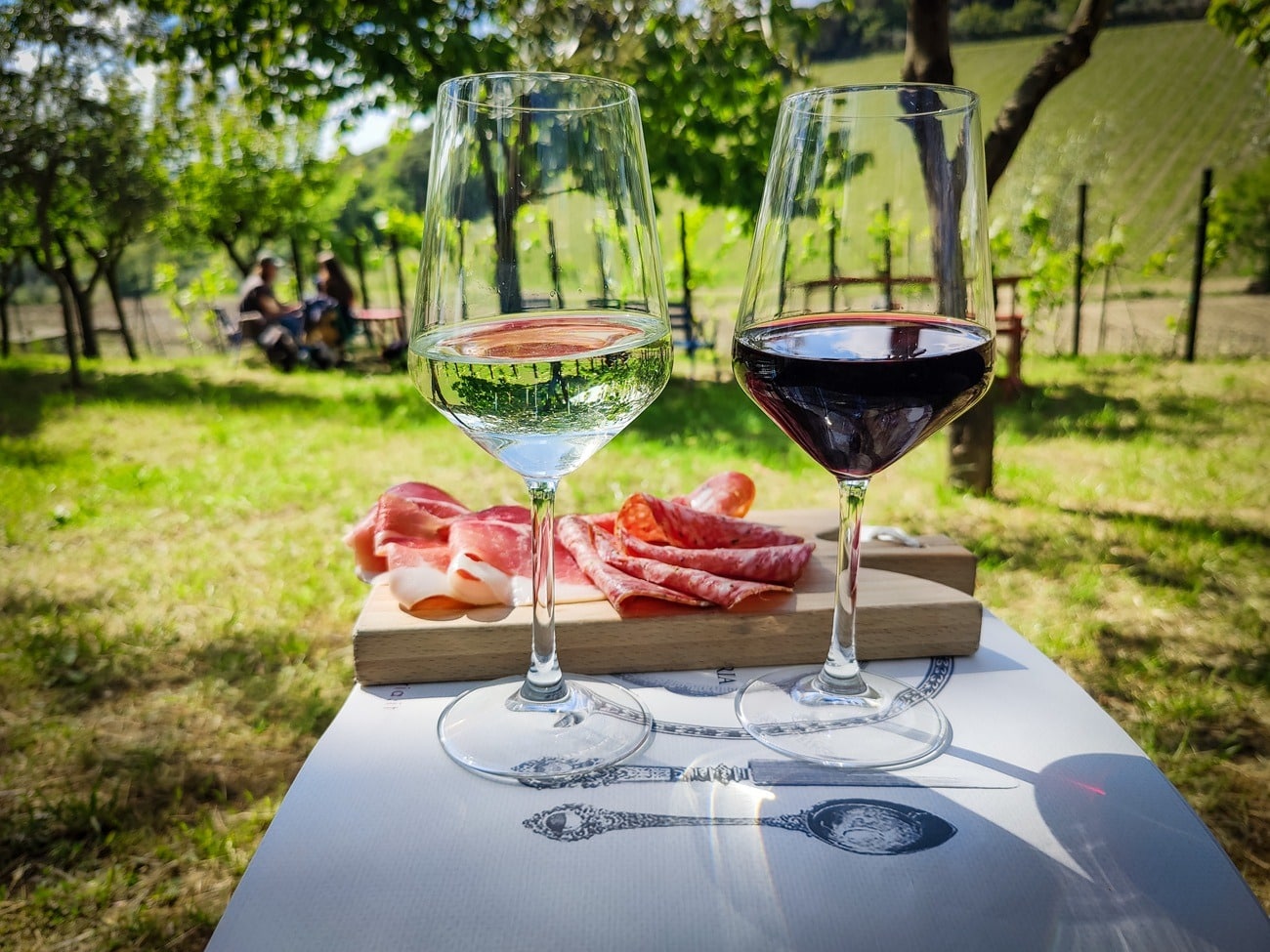
Every wine tour worth taking pairs its tastings with the regional food that evolved alongside the wine. In Chianti: aged pecorino, artisan salumi, bruschetta with estate olive oil. In Valpolicella: Venetian cured meats and local cheeses chosen specifically to work with the tannin structure of Amarone and Ripasso. These pairings are not incidental. They are the product of the same centuries of accumulated knowledge that shaped the wines themselves. Eating this food in this place with this wine is one of the most genuinely educational things you can do on a food and wine trip to Italy.

The pace is the point
Italy rewards slowness. The travellers who come away with the richest experience of this country are not the ones who ticked off the most monuments. They are the ones who stopped somewhere for long enough to actually feel it. A half day wine tour, departing in the early afternoon and returning in the early evening, is built around exactly that pace. No rushing. No queues. No itinerary that treats each stop as a box to check before moving to the next one.
You sit. You taste. You look at the view. Someone tells you something genuinely interesting about what is in your glass. You eat something delicious. The afternoon light does what Italian afternoon light does.
That is why wine tours belong on every Italy itinerary.
Not as a nice addition, but as one of the experiences most likely to become the thing you remember most.
Where to start in Italy
Veditalia operates wine tours from two of northern and central Italy’s great wine regions: the Chianti Classico hills from Florence, and the Valpolicella Classico zone from Verona. Both are half-day experiences, both visit two family-run estates, and both are designed for curious travellers rather than specialists.
👉 Chianti half-day tour from Florence
👉 Valpolicella & Amarone half-day tour from Verona


